
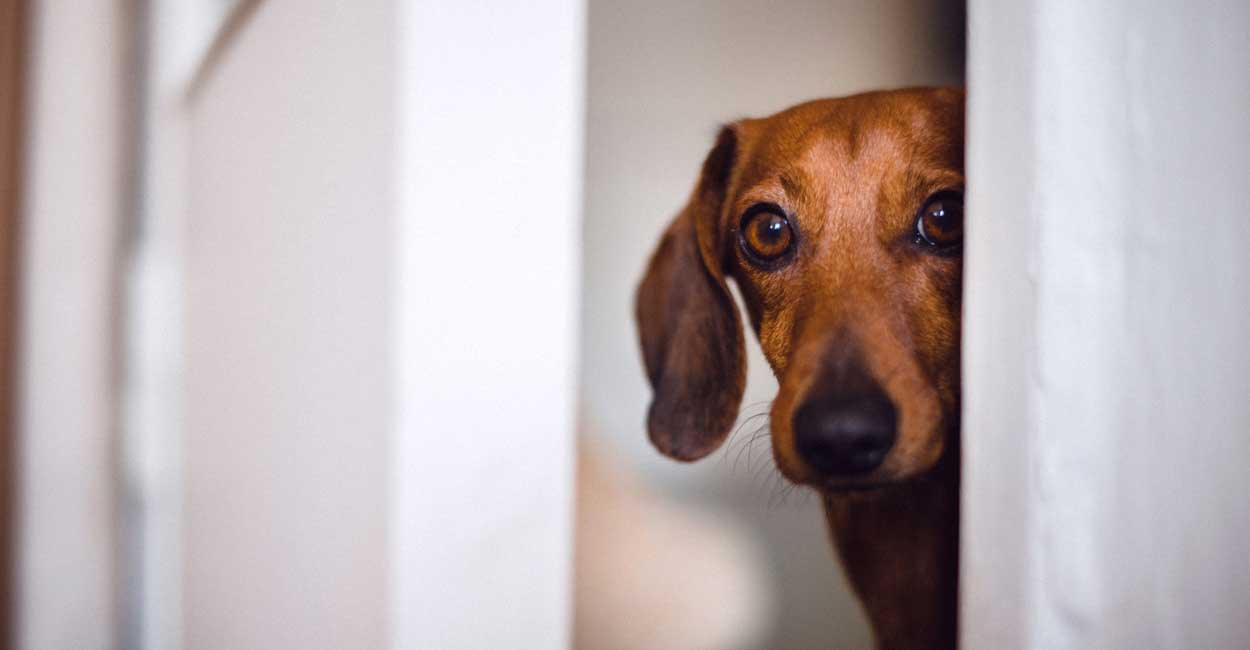
Our Anxious Dog Program helps dogs overcome nervous feelings about factors such as being outdoors, hearing loud noises, being touched or handled, overcoming elevator anxiety, and much more. Our science-based methodology uses only positive reinforcement to help your dog become better acclimated to his environment, build confidence, and calm down feelings of being overwhelmed. These methods and recommendations have worked very successfully for many other dogs, and we feel confident they will work for yours as well.
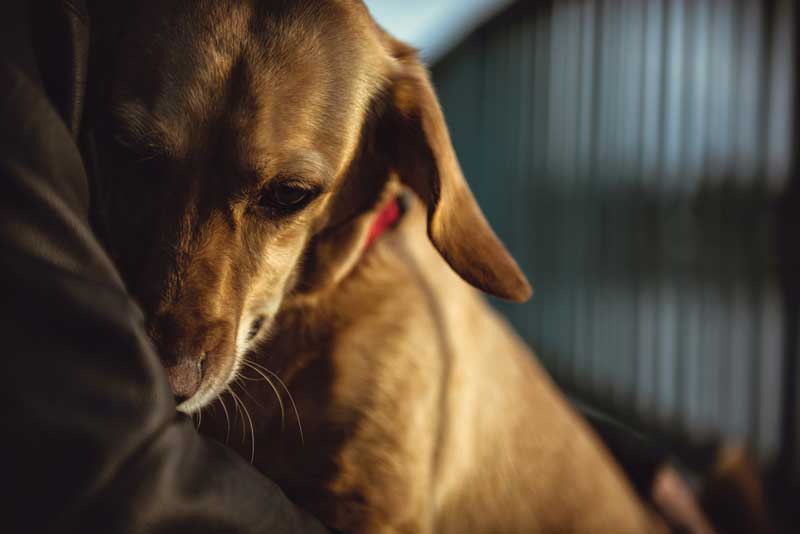
Program Snapshot
- Format: Private lessons with you and your dog
- Location: At your home, our training facility, or even Zoom if necessary
- Training system: A complete training system with exercises, videos, and resources so you can succeed between sessions and after the program ends
- Positive reinforcement: We only use positive reinforcement, the best way to improve anxious behavior
- Price:
- $135 for an assessment
- $175 per session, plus $10 if we come to your home
See full details below.
Is This the Right Training Program for Your Dog?
- Takes less than 60 seconds
- Clear recommendations based on your dog and your goals
- Immediate results — no email required
Behaviors We Can Improve
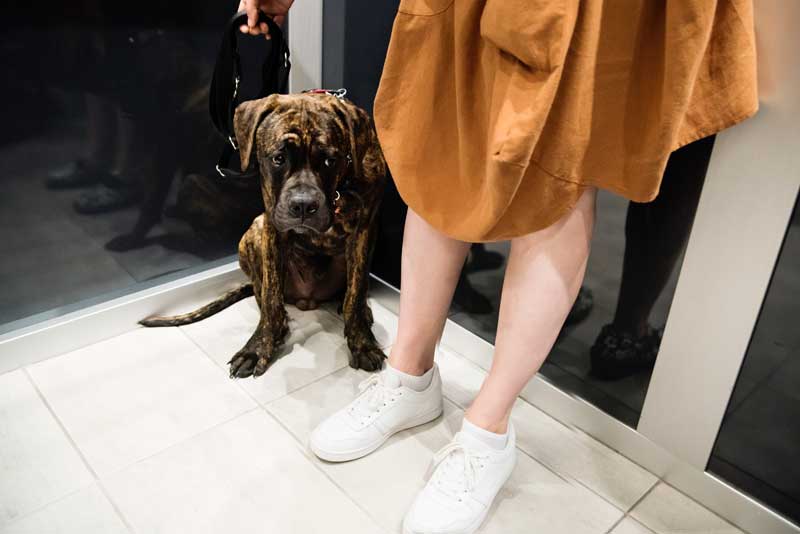
Why Tucker Pup's is Your Anxiety Solution
- We have a team of highly professional, experienced trainers who have helped many other dogs significantly reduce anxiety
- We can come to your home or our training facility
- The Tucker Pup's Training System - A structured, proven training system that combines home exercises, videos, personalized recommendations, handouts - all supported by an online platform that keeps everything organized and drives consistent progress
- Strongest reputation in Chicago - 1,108 Google Reviews, 4.9 overall rating
- In business since 2006
A Happy Anxiety Program Customer
Dog Trainer
We had a wonderful experience with Shaina and Phaedra. Rex is a handful - lots of energy and (positive) reactivity to other dogs. We have been implementing all of the strategies on our daily walks. We are seeing progress.
Leanne Beaudoin Ryan
Program Details
- $175 per session
- The trainer will identify the recommended number of sessions after the Dog Diagnostic.
- $10 per session if we come to your home or on location
- Reimbursement for any parking fees that we incur
What Progress Can Look Like
As anxiety decreases, dogs often begin to settle more easily, recover more quickly from stressful moments, and move through familiar environments with greater confidence. Reactions that once felt constant may lessen in intensity or occur less frequently. Over time, dogs can develop improved coping skills, allowing them to handle change, new environments, and stimulation without becoming overwhelmed.
Owners frequently report that their dog seems more comfortable, predictable, and emotionally balanced. Daily routines feel smoother, outings feel less stressful, and the home environment becomes calmer overall.
Progress does not mean eliminating a dog's personality or sensitivity. It means helping the dog feel safe enough to relax, make better choices, and engage with the world without anxiety dominating their experience. For many families, this results in a meaningful and lasting improvement in quality of life for both dog and owner.
FAQs
How does this program differ from the Reactivity Program?
Our Reactivity Program focuses on behaviors due to reacting to a dog or person specifically. The Anxious Dog Program addresses other types of anxiety, such as loud noises, new environments, being touched, and so forth. Some behaviors might cross over into both programs, and that is OK - we can customize a training plan for you that addresses unwanted behaviors, regardless of the label.
How long will it likely take for my dog to overcome his anxiety?
Every dog is different, and the key is to have patience and empathy for their fears and anxieties. Some dogs start to show immediate progress, especially once implementing games and exercises designed to calm their brain. Others may take longer, which can be compounded by memories of a previous traumatic event, genetic factors, daily triggers, or just the way their brain is wired. The majority of dogs show significant improvement eventually, espeecially if you follow the recommendations from our trainer.
Is it better to come to my home or to your facility?
If your dog is very anxious about new locations, it is likely better to come to your home, at least initially. Once your dog's confidence starts to build, it may be advisable to do some work at our training facility, where we have lots of resources that can help the training process, such as cones, tunnels, harnesses, different types of treats, mats, and much more.
Am I able to keep a prong collar or choke chain on my dog?
Your dog cannot build up trust in you or the process if being controlled by a tool such as a choke chain or prong collar. This program is the opposite - your dog will learn to give consent on his own, and our trainer is going to show you how to create results in a more positive way, which will also include treats or other rewards.
Can I combine other behaviors or challenges with this program?
Yes, we can typically add any behaviors to the program. However, it may not be realistic to address everything simultaneously, since we give homework each week for the behaviors at hand, so that might become too burdensome for multiple behaviors at once. We could certainly add at the end. It all just depends on your goals, and you can discuss this with your trainer.
Why Anxiety Happens
You're Not Alone
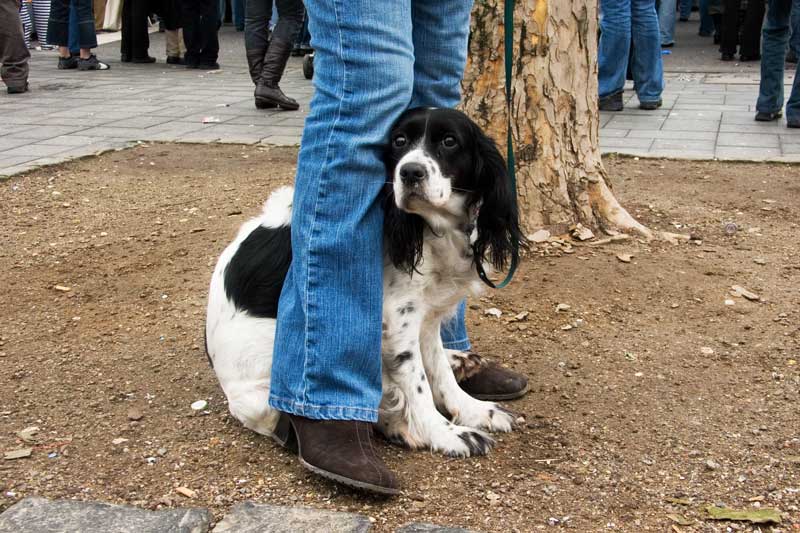
Some dogs worry easily, startle at everyday sounds, struggle in new environments, or seem constantly on edge. Others may pace, pant, withdraw, or have difficulty settling, even when nothing obvious is happening. For owners, it can feel confusing and discouraging, especially when anxiety shows up in subtle ways rather than dramatic reactions.
Many people wonder if they are overthinking things or assume their dog will simply grow out of it. In reality, anxiety affects dogs of all breeds, ages, and backgrounds. It is more common than most owners realize, and it does not mean a dog is untrainable or that an owner has done something wrong.
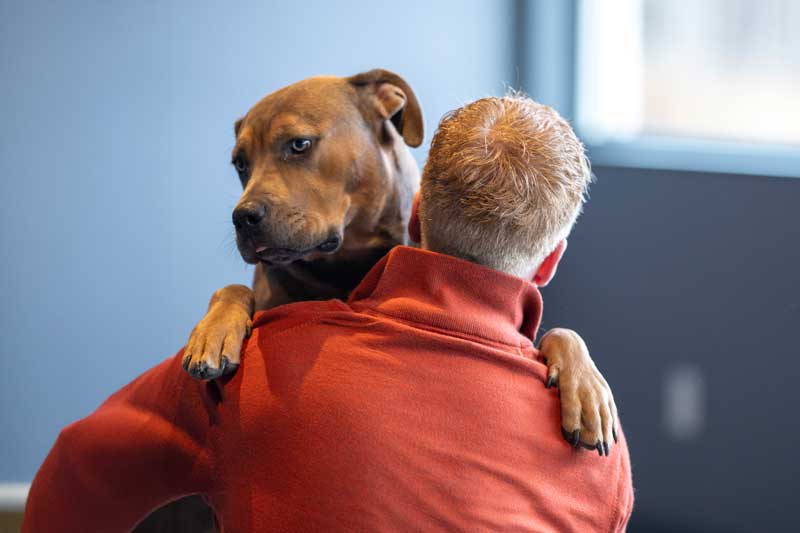
If your dog seems to move through the world with more worry than ease, you are not alone. Supporting an anxious dog is a challenge many thoughtful, attentive owners face, and it is something that can be improved with the right approach.
Our Travel Radius
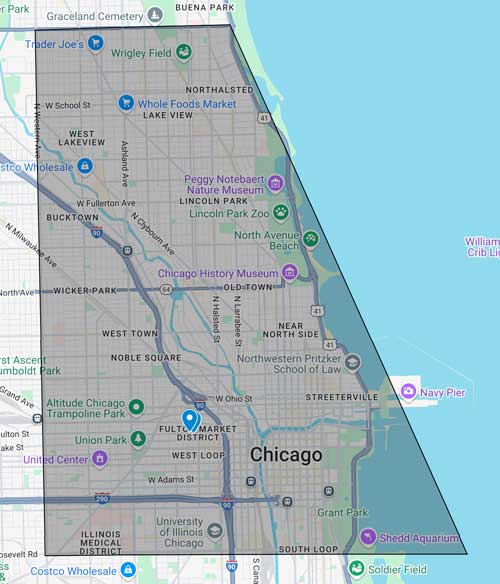
One of our trainers can home to your home if you live within our travel radius. We routinely go all throughout Chicago each day, including to Lakeview, Lincoln Park, Bucktown, Wrigleyville, Gold Coast, River North, downtown, East Loop, West Loop, South Loop, and all neighborhoods in between.
These boundaries go north to Irving Park Road, east to the lake, south to Roosevelt, and west to Western Avenue.
If you live a few streets beyond these boundaries we can likely still come to your home.
Otherwise, you would need to come to our training facility.
Our Trainers Travel All Over Chicago
Positive Reinforcement Methods
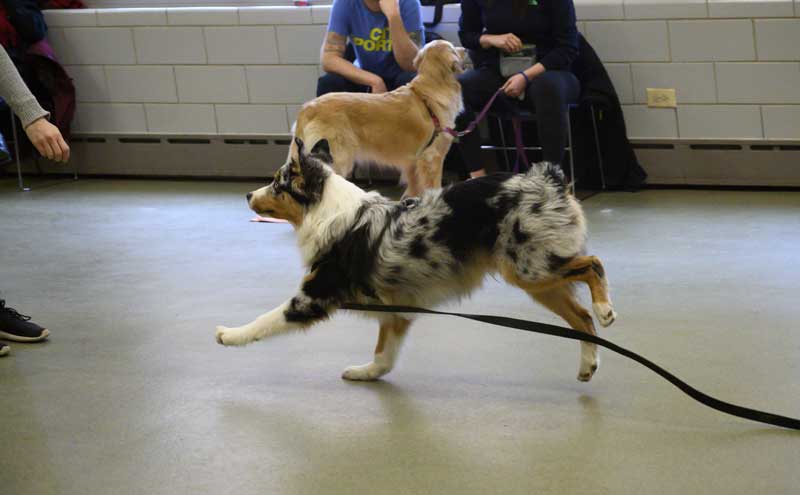 Tucker Pup's only uses positive reinforcement, which combines the use of rewards, an encouraging tone of voice, and relaxed body language.
 We do not use aversive methods include prong collars, choke chains, shock collars, poking, yelling, or leash popping. If you are using any of these with your dog, we can help you successfully stop, and still get the results you want.
Positive reinforcement gives you the best chance of success, and can be the fastest way to get results. Aversive methods cause distrust, fear, and potentially pain or discomfort, all of which can be detrimental to getting the results and relationship that you want.
Common questions:
- Do I need to carry treats for the rest of my dog's life? Treats are for teaching behaviors - once your dog can reliably perform, treats can be phased out at your discretion.
- Do I need to carry treats at all times? No. If there are times where you are not carrying treats, our methods can still work.
- Can I use a different type of reward than treats? It may be possible to use something else your dog values, such as a favorite toy.
- Is positive reinforcement too soft for my dog? Not a bit. The best way to build reliable skills is through trust and motivation. Being tough with your dog can cause him to shut down, have anxiety, ignore you, and not truly learn.
- I have tried treats, but they don't work for my dog. You were likely using low-value treats, including from a store. We will recommend high-value treats that are irresistable for most dogs, including in high-distraction environments.
- Will it take longer to achieve results? This is a common myth. Positive reinforcement can create faster results than aversive methods, because your dog is motivated to listen to you, and truly wants to learn.
- Is it bribery? No! All animals learn behaviors from being rewarded, including humans. You wouldn't go to work for free, would you? Motivation + repetition = new behaviors.
If you are hesitant, please trust us on this one and feel free to ask us questions.
Reviews from Anxiety Program Customers

Yelp has listed Tucker Pup's as one of the top 100 local businesses in the country in 2025. We are the only pet business who made the list from Chicago, and the only pet resort / training business who made the list nationally.
See the List


Neighborhoods We Serve
Tucker Pup's is located in the West Loop / Fulton Market District neighborhood. People come to us from all over Chicago, especially from Bucktown, Gold Coast, Lake View, Lincoln Park, Old Town, River North, River West, South Loop, Streeterville, Ukrainian Village, University Village, West Town and Wicker Park.
- Is This the Right Training Program for Your Dog?
- Behaviors We Can Improve
- Why Tucker Pup's is Your Anxiety Solution
- A Happy Anxiety Program Customer
- Program Details
- What Progress Can Look Like
- FAQs
- Why Anxiety Happens
- You're Not Alone
- Our Travel Radius
- Positive Reinforcement Methods
- Positive Reinforcement Methods
- Reviews from Anxiety Program Customers
- Neighborhoods We Serve